NEWS
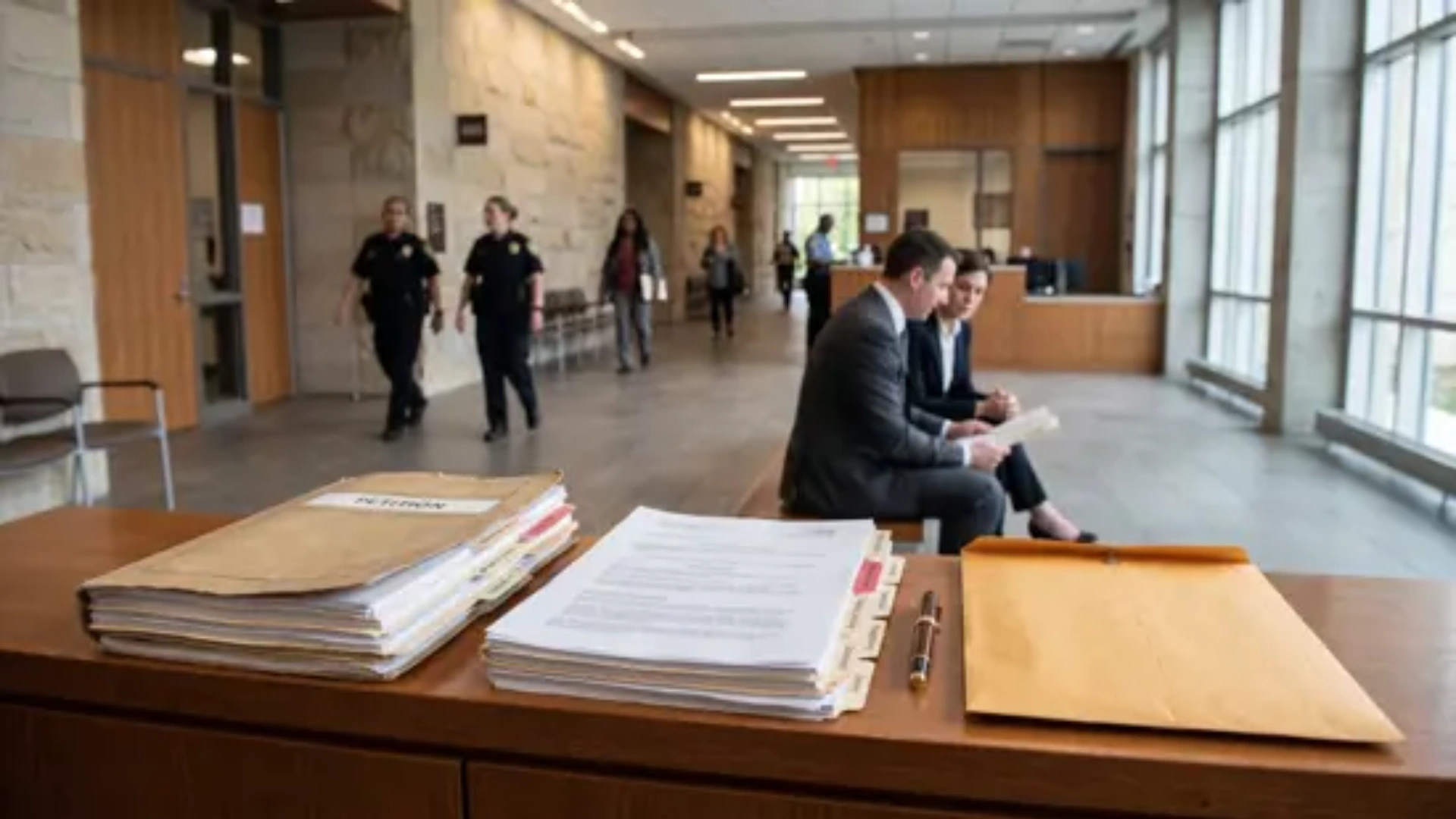
How Court Proceedings Work: Litigation Processes and Procedures
The legal system is designed to administer justice and protect individuals' rights. Courts play a central role in resolving legal disputes, and court proceedings are conducted according to procedural rules. This article provides a general guide to litigation processes and common court procedures in Türkiye.
Types of Cases
The nature of court proceedings differs according to the type of legal dispute. Turkish courts deal with various categories of cases, including:
- Civil Cases: Proceedings concerning private-law rights and obligations between individuals or organizations, such as contractual disputes, compensation claims and inheritance disputes.
- Criminal Proceedings: Proceedings concerning alleged criminal offences, following the investigation and prosecution stages provided by criminal procedure law.
- Administrative Cases: Proceedings concerning disputes arising from administrative acts and actions of public authorities.
Commencing Court Proceedings
A civil lawsuit generally begins with the filing of a statement of claim. The petition identifies the parties and sets out the material facts, legal grounds, evidence and relief sought as required by the applicable procedural law. Once filed, the court registers the case and carries out the required notification procedures.
Steps Before a Hearing
Certain preliminary steps may be required before or during litigation. Examples include:
- Mediation: In some categories of disputes, including certain employment and commercial disputes, mediation may be a mandatory precondition to filing a lawsuit.
- Collection of Evidence: Parties should identify and preserve documents, records, photographs and other lawful evidence relevant to their claims and defenses.
- Legal Representation: Professional legal representation may assist the parties in complying with procedural rules and presenting their case effectively.
The Hearing Process
A court hearing is a stage at which claims and defenses are addressed, witnesses may be heard and evidence may be examined. Depending on the type of proceeding, the process may include:
- Opening and Procedural Review: The court checks attendance and addresses preliminary procedural matters.
- Claims and Defenses: The parties present their positions through written submissions and, where appropriate, oral statements.
- Examination of Evidence: Evidence and witness testimony are assessed in accordance with the procedural rules.
- Completion of Proceedings and Judgment: Once the necessary procedural stages are complete, the court renders its decision.
Judgment and Appellate Review
After the proceedings are completed, the court issues its judgment. Depending on the type of case and the statutory conditions:
- The judgment produces legal consequences for the parties.
- Regional appellate review or appeal before the Court of Cassation or Council of State may be available within the applicable time limits and thresholds.
Appellate procedures allow higher courts to review judgments within the scope established by procedural law.
The Importance of Procedural Compliance
Proper compliance with court procedures is essential to the effective administration of justice. Procedural rules are designed to protect the parties' rights and ensure orderly adjudication. Understanding deadlines, evidence requirements and available remedies can help reduce the risk of procedural loss of rights.
GET INFORMATION ABOUT LITIGATION PROCESSES
Conclusion
Understanding the basic structure of court proceedings, types of cases, evidentiary stages, hearings and appellate remedies helps individuals and businesses use their legal rights more effectively. Because procedural requirements differ depending on the nature of the case, each matter should be evaluated under the applicable rules.